
The impact of chronic stress
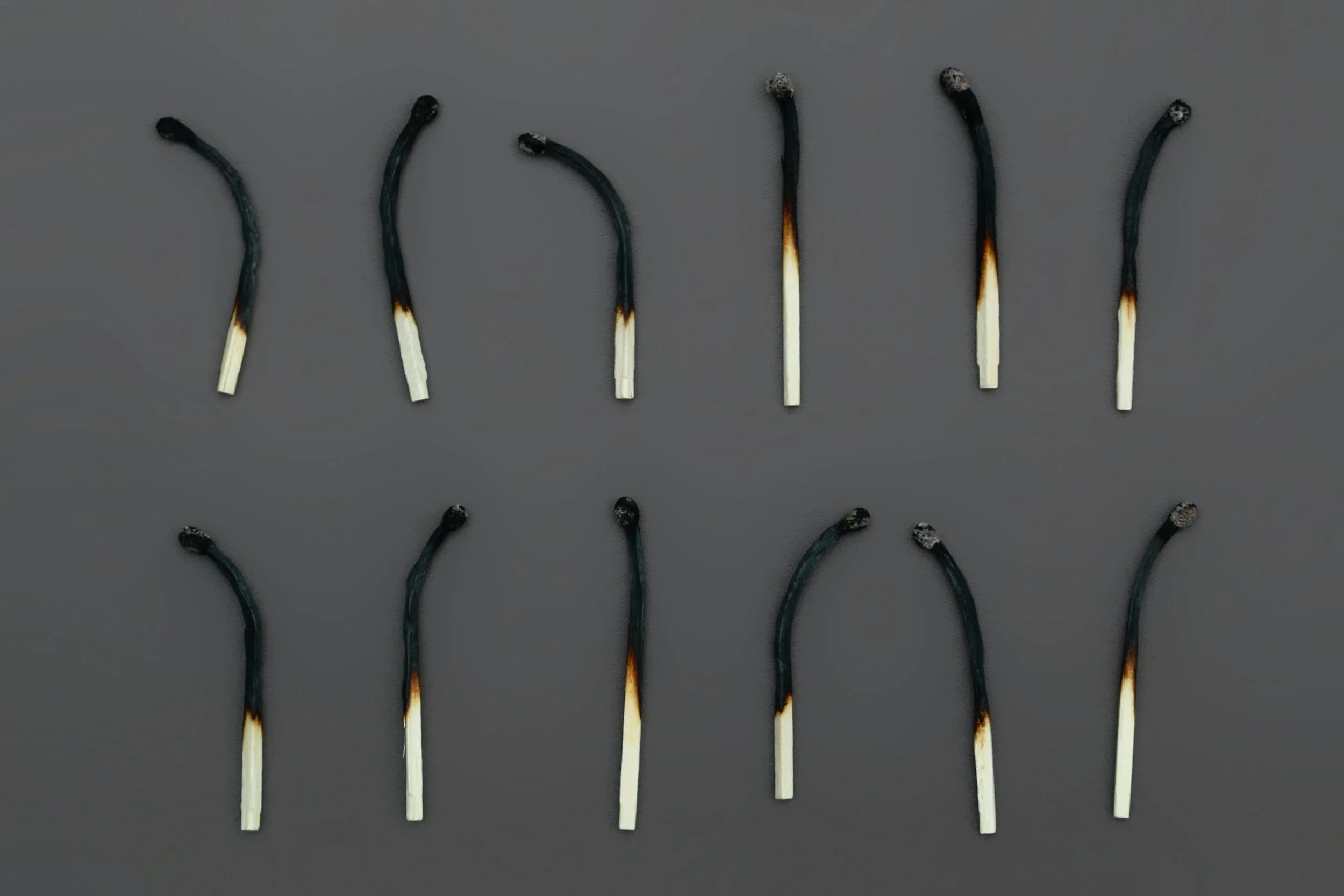
Chronic stress is different than the response we experience from direct, temporary circumstances. Burnout doesn't resolve when the deadline passes because there's always another one, it's the ever present financial pressure that follows you into sleep. It's the weight of family demands or relationship tension that gets sidestepped so we can continue to function on a daily basis. Burnout can come from the exhaustion of being a student while also being a full adult with a full life. It's what happens when the stressors have stacked up so far that there’s never space to recover.
A lot of us live this way for years before we consider therapy, and the presenting problem of people who come in for chronic stress often sounds the same: I know what's causing it, I just can't make it stop.
Over time, chronic stress affects sleep, concentration, immune function, digestion, and mood. It shows up in the body as tension, fatigue, headaches, and a feeling of being perpetually braced for something. It affects how we relate to the people around us, making it harder to be present, patient, and connected. It narrows the window of what feels manageable and widens the list of things that like another reason.
It also tends to erode a person's sense of themselves. When we’ve been in survival mode for long enough, it gets hard to remember what we want, what we enjoy, or what it felt like to not be tired all the time.
Identifying The Sources
Burnout tends to be cumulative, layers of pressure from different areas of life that compound each other.
Work stress is one of the most common contributors. Demanding schedules, unclear expectations, difficult dynamics with managers or colleagues, and after hour email notifications are ways work follows us home and into sleepless nights. For those of us in school, that pressure multiplies. Managing coursework alongside employment, relationships, and adult responsibilities in an environment exhaustion as a badge of honor makes chronic stress harder to take seriously.
Financial stress touches almost every other area of life. Housing, food, healthcare, the ability to rest without guilt. When money is tight or uncertain, the nervous system tends to stay activated in a low-grade, persistent way that is difficult to switch off even when nothing acute is happening.
Family demands show up differently for everyone. It's the unrecognized labor of managing a household and caring for children. It's navigating aging parents, strained sibling relationships, or family systems that have always required a lot of emotional management. Caregiving in particular tends to be deeply underestimated as a source of chronic stress, partly because it comes wrapped in love and obligation in ways that make it hard to name as a burden.
Relationship strain adds another layer. Tension with a partner, disconnection, unresolved conflict, or the grief of a relationship that isn't what it used to be creates a kind of stress that's hard to escape because it lives in the place that's supposed to feel safe.
How Therapy Helps
Therapy changes our relationship to stressors in ways that matter by developing an understanding the specific way stress manifests in our lives. What's contributing to it, what's been missing, and what we have (or haven’t) been doing to cope.
Many of us who are chronically stressed have complicated relationships with limits, like knowing when to ask for help or when to say no. We associate our worth and output with usefulness and as a result, slowing down isn’t an option. When this is the case, understanding where that came from is imperative.
The Beginning of Progress
When we work on chronic stress in therapy, clients often report that their internal experience shifts before their external circumstances do. It can be described as more capacity to be present, increased ability to recognize personal and professional limits, and greater relationship stability.
There are many different methods to burn out and chronic stress, and our therapists are trained to tailor an approach that works specifically for your values, lifestyle, and circumstances. We have evening and weekend appointments for people with busy schedules and offer flexible scheduling in person and via Telehealth. Contact us, or book a free consultation directly with one of our clinicians to learn more about how we can help you today.