On the importance of advocacy
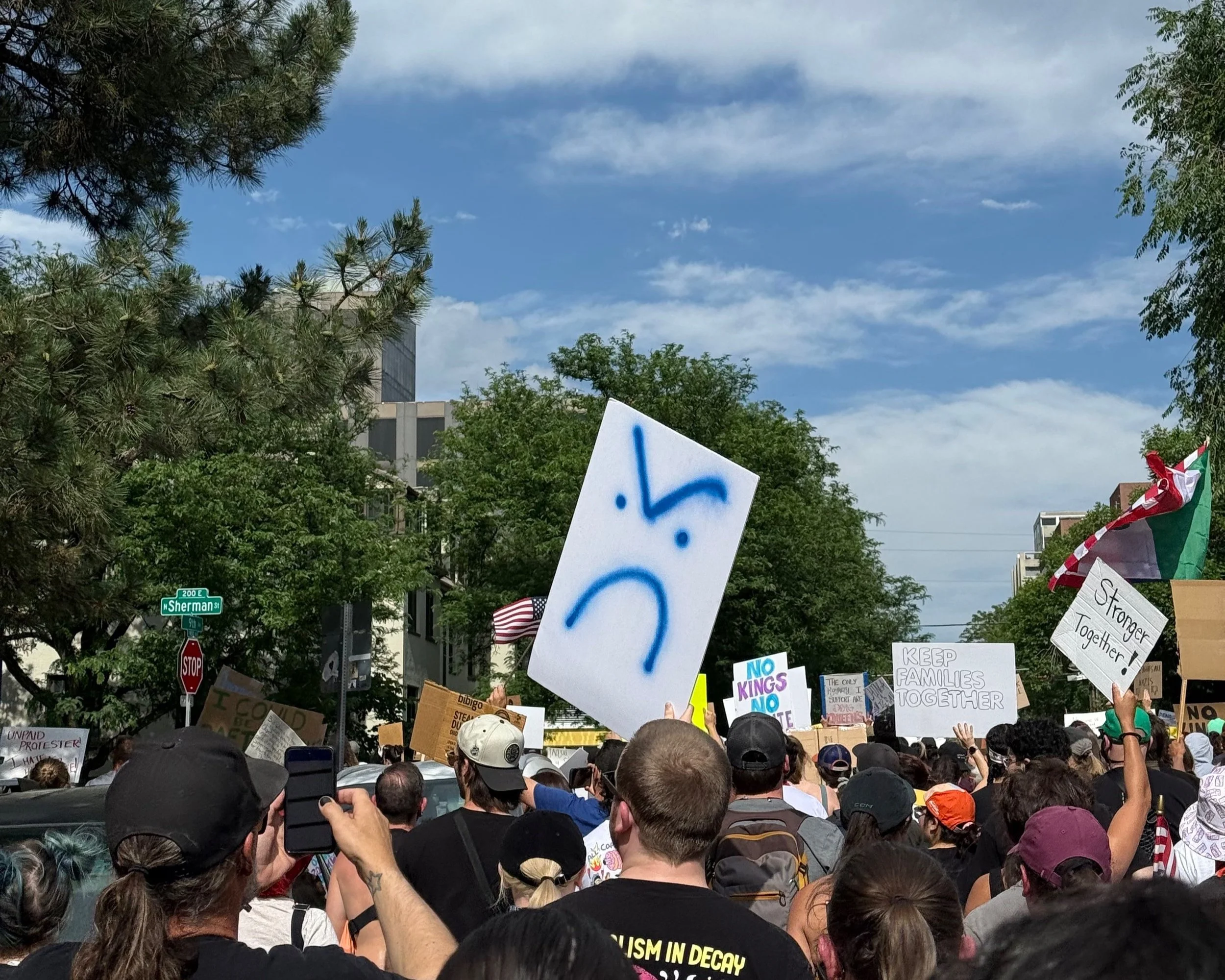
My work is grounded in the belief that change is absolutely possible, but real transformation doesn’t happen in our sessions alone. Therapy is just one moment in the week, and the real change happens in the in-between as my clients move through our community, working, grocery shopping, socializing. The work of my clients does not exist in a vacuum, and therefore, neither does mine. It is essential that I understand the systems and environments that affect my clients so I can do my job effectively, and per the American Counseling Association (ACA), an extension of my ethical commitment.
The preamble of the American Counseling Association (ACA) Code of Ethics states:
Professional values are an important way of living out an ethical commitment. The following are core professional values of the counseling profession:
enhancing human development throughout the life span;
honoring diversity and embracing a multicultural approach in support of the worth, dignity, potential, and uniqueness of people within their social and cultural contexts;
promoting social justice;
safeguarding the integrity of the counselor–client relationship; and
practicing in a competent and ethical manner.
The ACA calls on me to promote social justice and honor the worth and dignity of all people while enhancing human development throughout the lifespan. To be a good therapist I must live out these values, and that’s why protesting is not separate from my role as a counselor.
I can’t address my clients’ struggles appropriately if I don’t first understand what those struggles are. If I am unaware of the ways their mental health is shaped by systemic harm, I risk missing the root of their distress entirely.
The Code of Ethics calls on counselors to honor diversity and embrace a multicultural approach that supports the dignity and uniqueness of people within their social and cultural contexts. I cannot claim to honor diversity if I do not seek to understand the systems that harm my clients. And I cannot support the worth and dignity of others if I remain silent while those systems continue to operate. To sit with a client who is experiencing the impact of systemic oppression and not confront those systems is to miss the full scope of ethical care. Understanding oppression and advocating against it is not an optional extension of this work; it is central to it.
Research shows that oppression has significant mental health impacts. The Trevor Project’s 2023 National Survey found that 41% of young people who are LGBTQIA+ considered suicide in the past year and nearly 1 in 3 LGBTQ young people said their mental health was poor most of the time or always due to anti-LGBTQ policies and legislation.
In 2023 the American Journal of Orthopsychiatry published a study that found that racial discrimination is associated with elevated rumination, which are in turn associated with elevated reports of depression and anxiety concerns and in 2020, 44% of non-White Americans reported experiencing high daily stress due to discrimination. The CDC reports that adults with disabilities experience frequent mental distress nearly 5 times more often than those without disabilities. Structural ableism, social exclusion, and stigma create barriers to care, community, and full participation in life.
So back to protesting:
Protesting is a form of advocacy: it safeguards the integrity of the counselor–client relationship, especially with clients whose backgrounds, identities, and lived experiences are different from my own. With advocacy I am affirming to my clients, demonstrating that I see them, I believe them, and I am actively working to create a world where their safety and humanity are not up for debate.